
Spotlight: The Palace of Versailles
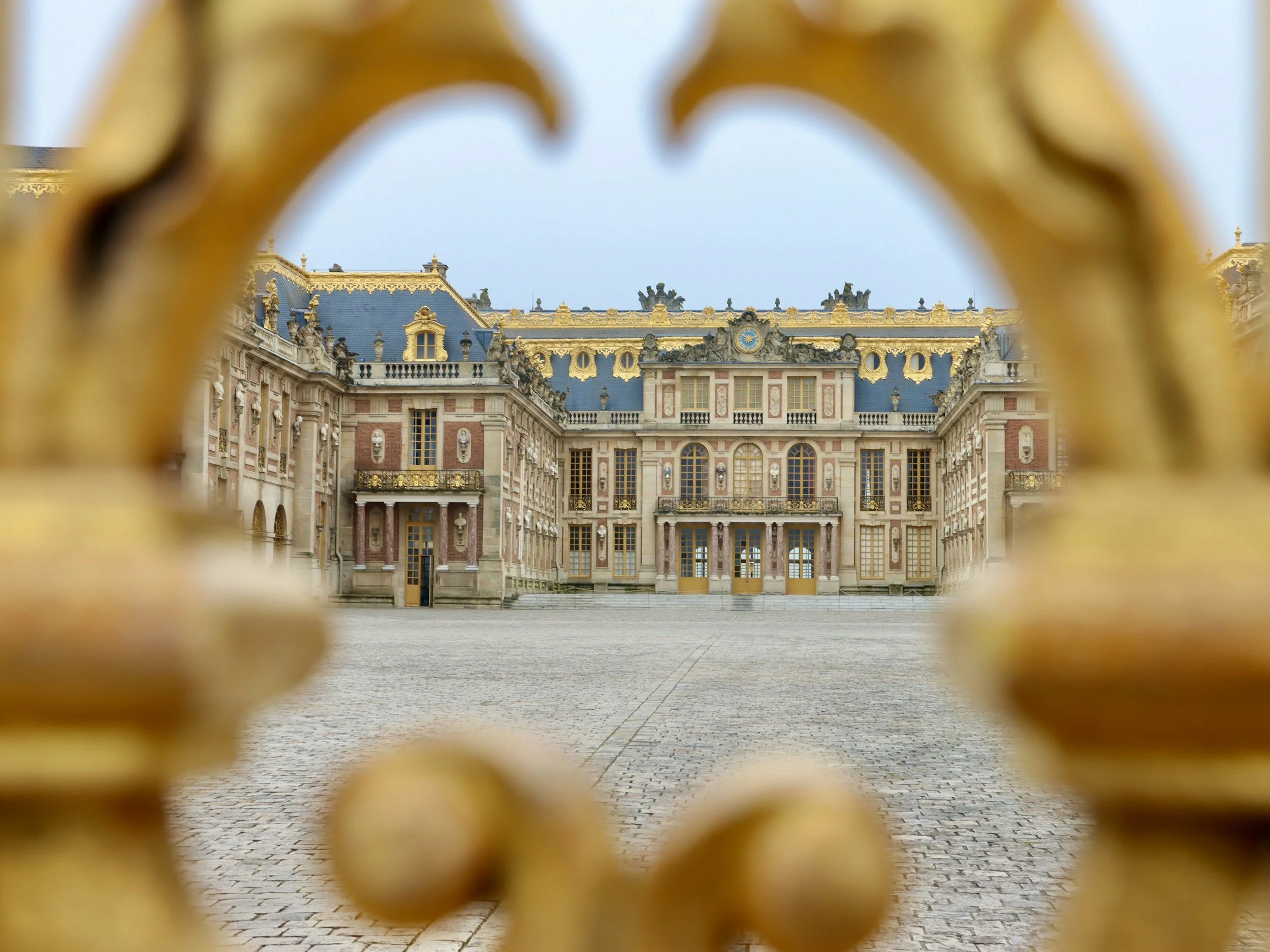
The Palace of Versailles
The Palace of Versailles is one of the largest and most visually impressive sites in the world. A triumph of architecture and the setting for some of the most significant moments in European history, it offers far more than spectacular surroundings. For GCSE and A Level History students, knowing something of Versailles itself is a powerful way of connecting classroom topics with the places where history unfolded, bringing familiar events and interpretations to life. Today we’ll focus on three pivotal moments: the French Revolution, the Franco-Prussian War, and the Paris Peace Conference.
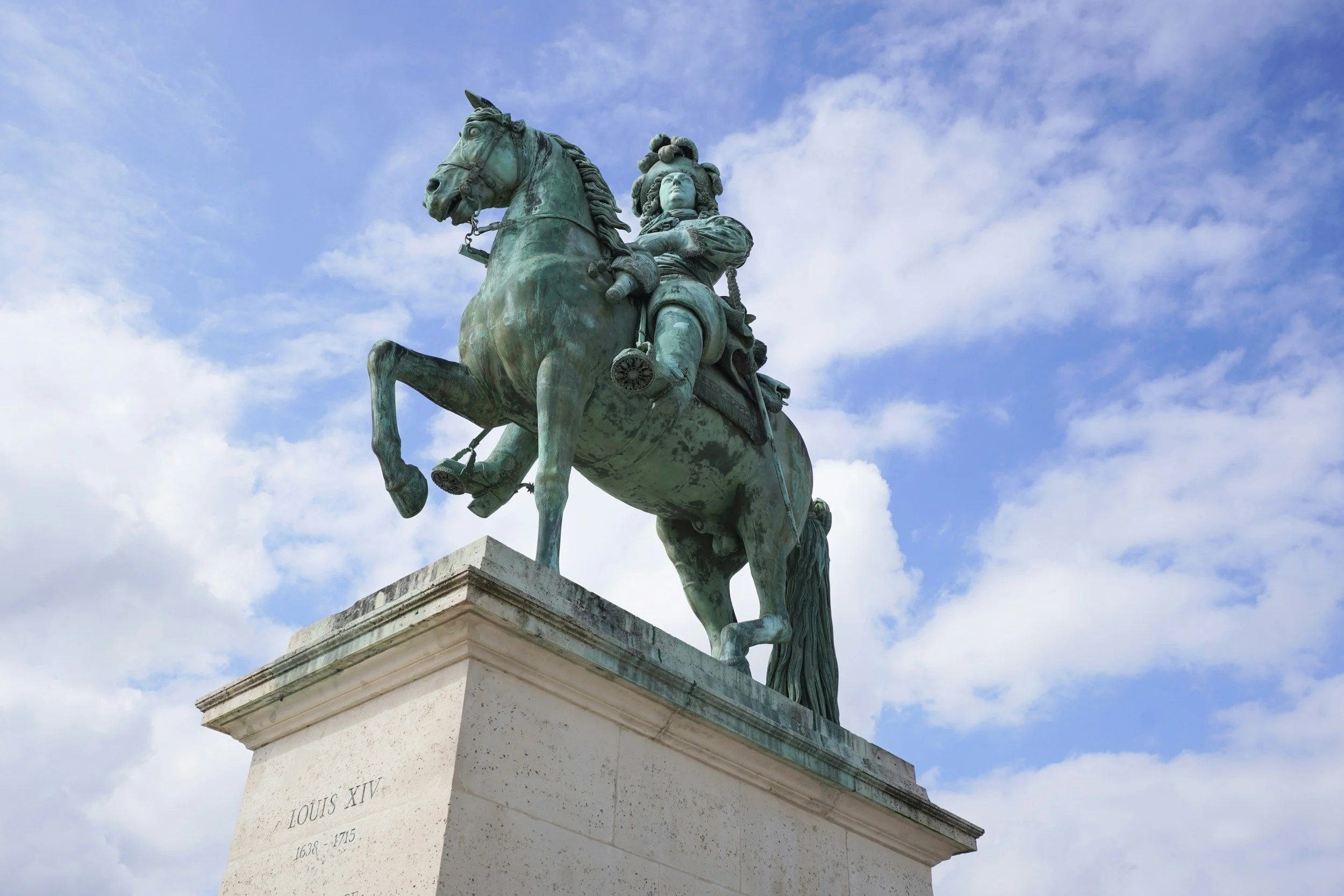
Louis XIV (reigned 1643–1715)
Revolution…
By 1789, Versailles had been the ‘home’ of the French monarchy for over a century. Louis XIV (reigned 1643–1715) had transformed his father’s hunting lodge into the centre of royal government. The palace became the defining symbol of royal centralisation under the ancien régime. By encouraging the nobility to live at Versailles, Louis weakened their influence in the provinces while strengthening royal authority. Situated around ten miles from Paris, Versailles also deliberately distanced the monarchy from the volatile Parisian population. Every aspect of the palace, from its vast exterior to the lavish Hall of Mirrors, projected royal power, wealth, and authority.
For students studying the causes of the French Revolution, studying Versailles helps explain why it became such a potent symbol of royal excess. After the collapse of the Estates General and the Tennis Court Oath in June 1789, Louis XVI was forced to leave Versailles following the Women’s March. Removed from the security of his palace and brought to the Tuileries in Paris, the King was placed at the heart of the Revolution, a decisive step towards the monarchy’s downfall.
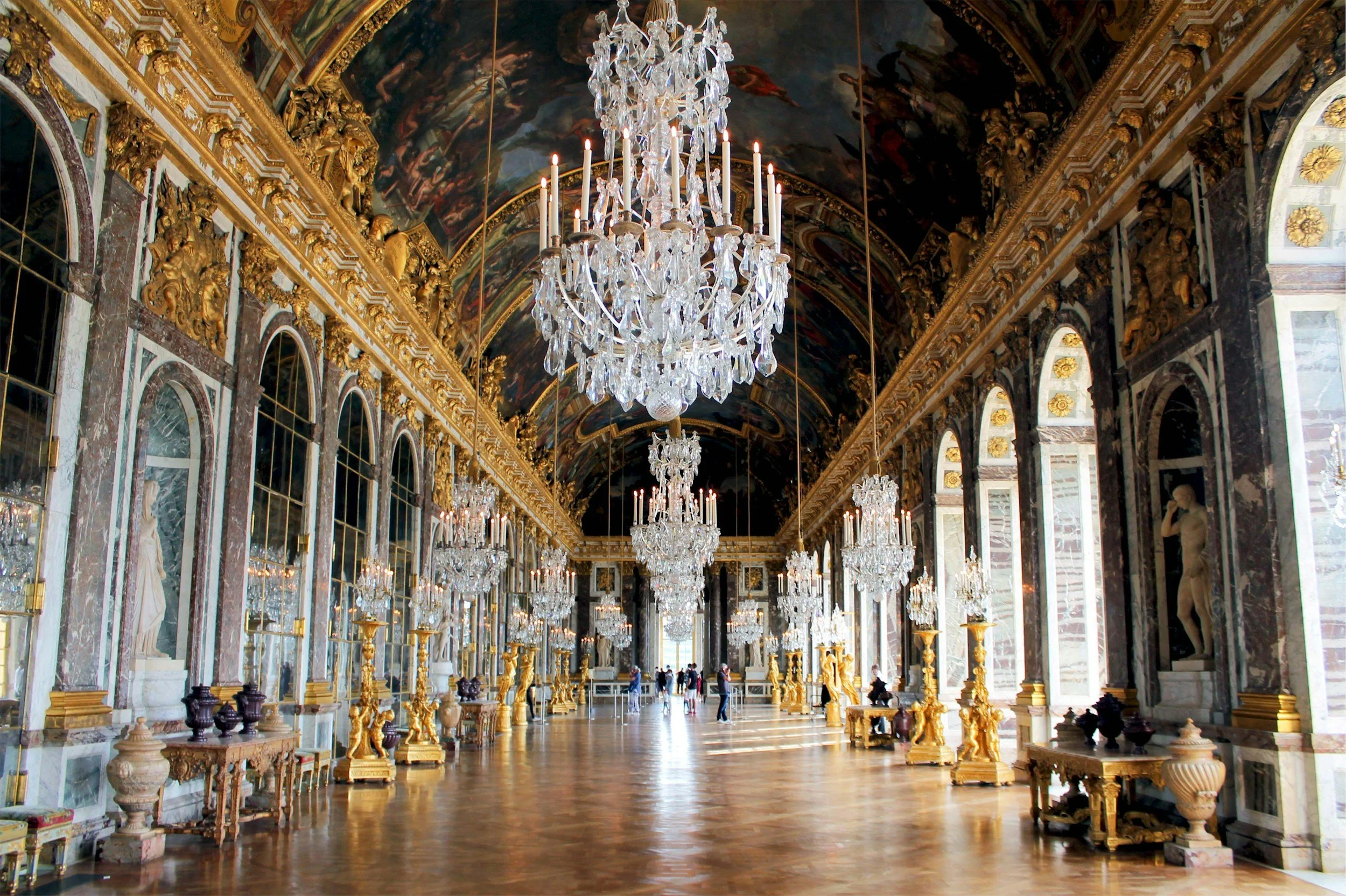
The Hall of Mirrors, Palace of Versailles
War…
Versailles again became central to European history in 1871, when the German Empire was proclaimed in the Hall of Mirrors at the end of the Franco-Prussian War. Napoleon III, nephew of Napoleon Bonaparte, had been outmanoeuvred by Otto von Bismarck and captured after the Battle of Sedan. As Paris endured siege and the Paris Commune briefly emerged, Versailles served as the headquarters of Wilhelm I and the Prussian Third Army.
The proclamation of the German Empire on 18 January 1871 was deliberately staged in the Hall of Mirrors. The date marked the anniversary of Prussia’s foundation in 1701, while the location, decorated with images celebrating Louis XIV’s victories over German states, symbolised Germany’s dramatic rise in power and prestige. Understanding this symbolism helps students appreciate how political leaders deliberately use history, ceremony, and location to make powerful statements.
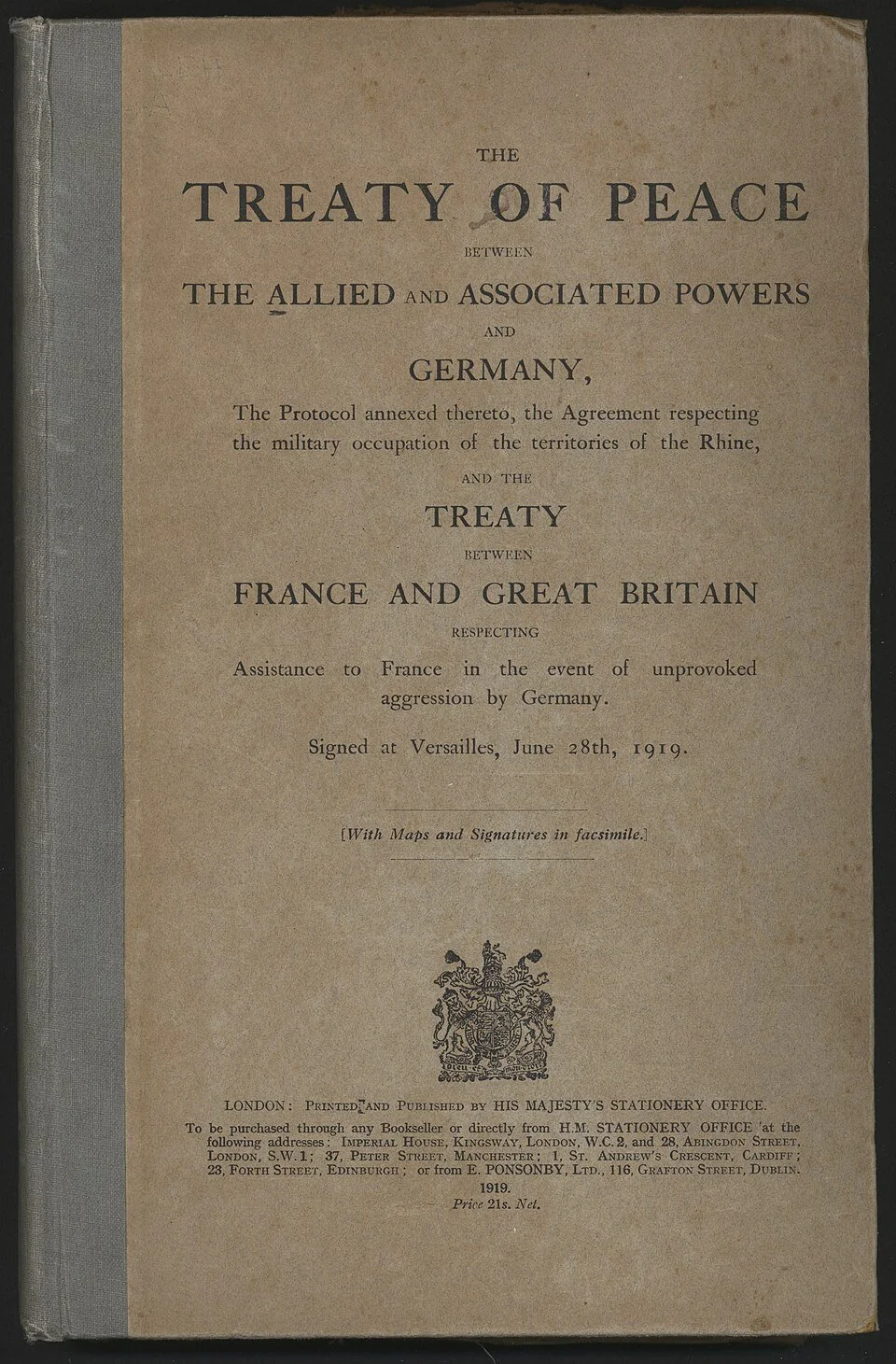
The Treaty of Versailles, signed 28th June 1919
…and Peace
The Paris Peace Conference of 1919, familiar to almost every GCSE History student, also drew heavily on the symbolism of Versailles. France had suffered devastating losses during the First World War, and Georges Clemenceau, the French Prime Minister, was determined to reverse the humiliation of 1871. Although negotiated largely in Paris, the Treaty of Versailles was signed in the Hall of Mirrors on 28 June 1919, exactly five years after the assassination of Archduke Franz Ferdinand. By ending the German Empire where it had begun, the French added symbolism to an already controversial treaty whose long-term impact remains debated.
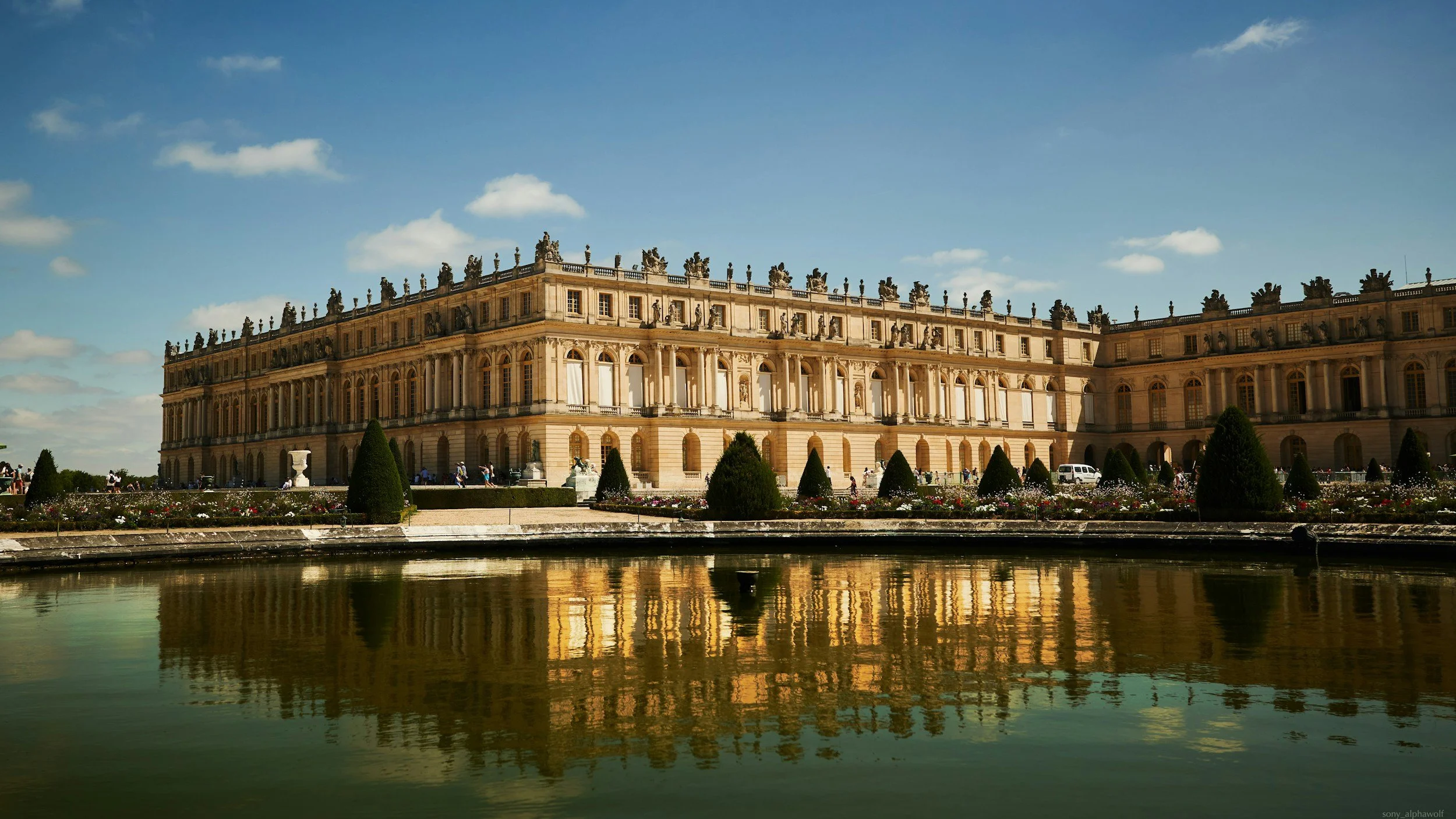
The Palace of Versailles
Versailles has stood at the centre of European power politics for centuries. Exploring the palace encourages students to look beyond dates and events, considering how places, symbolism, and historical interpretation shape our understanding of the past. It remains not only an architectural masterpiece, but also an extraordinary history lesson in its own right.
