
How to Get the Most Out of A Level History
A Level History is a very rewarding but intellectually demanding subject when done properly. It develops analytical thinking, communication skills, and the ability to evaluate complex evidence, qualities that are highly valued by universities and employers alike. While there are many ways in which parents can support their children in getting the most out of it, success ultimately depends on developing good habits and a genuine engagement with the subject.

Engage with Lessons
The first, and by far the most significant, is engaging fully with lessons in school. Students should arrive prepared to participate, listen carefully, ask questions, and think critically about the answers they receive. Classroom teaching provides the framework for everything else they do. No amount of additional tutoring, revision guides, or enrichment activities can compensate for a student who is not actively engaged in lessons. Parents can help by encouraging curiosity, discussing topics at home, and reinforcing the importance of making the most of every lesson: History teachers will very quickly notice this, and will be grateful for it!

Get Organised!
Alongside this, students need to organise their work effectively. Whether they prefer paper folders or digital notes, they should develop a system that allows them to find what they need, when they need it, quickly and confidently. History involves working with large quantities of information, and disorganised notes make revision far more difficult than it needs to be. Clear organisation helps students revisit classwork, understand how different topics fit together, and build a strong foundation for essays and examinations. Good organisation is not simply about being tidy; it is about making knowledge accessible when it matters most.

Reading
These two habits provide the essential foundations, but they are only the beginning. The students who gain the most from A Level History are those who read widely beyond the specification. History is an academic discipline built upon reading. Historians develop their interpretations through books, articles, and written primary sources, and the major debates that shape the subject are conducted in writing. Students who regularly read beyond their lessons will deepen their understanding, encounter different interpretations, and develop more sophisticated arguments in their own work. Most A Level courses have some form of coursework element, which requires students to conduct research, and this is made much easier if a student has already developed effective reading habits.
Parents can encourage this by supporting regular reading and helping students see it as an enjoyable part of studying rather than an additional task. Teachers are usually happy to recommend suitable books, while departmental reading lists often provide an excellent starting point. We also provide extensive reading lists for many areas of History on our website. Students should also be encouraged to pursue particular interests that emerge during the course, even if they extend beyond the examination specification. Developing intellectual curiosity is one of the greatest benefits of studying History.
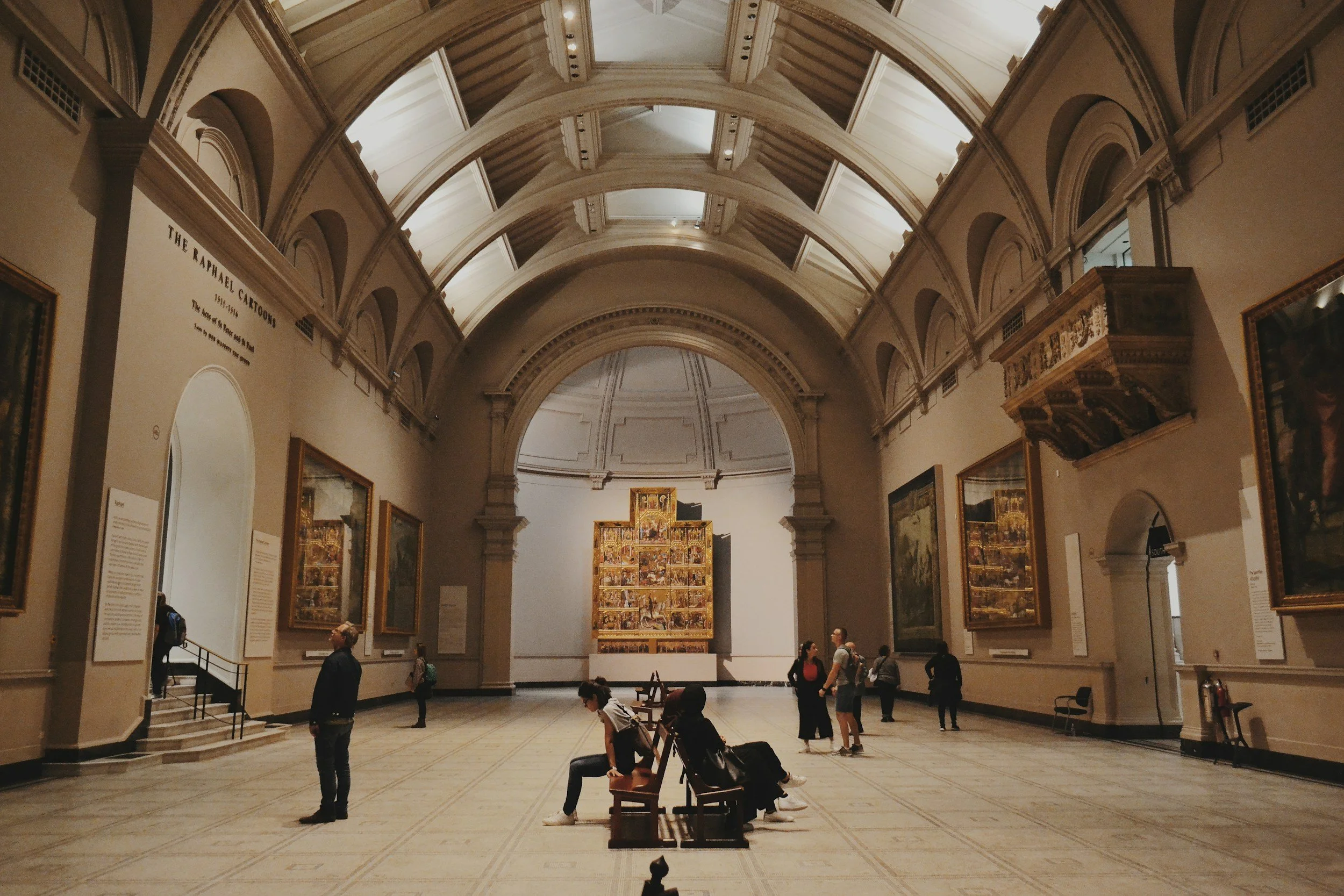
The Raphael Cartoons, Victoria & Albert Museum
Doing Some Real History
Finally, students should look for opportunities to engage with History beyond the classroom. Visiting museums, galleries, historic buildings, archives, and archaeological sites allows them to encounter the past in a tangible way. Public lectures, university outreach events, and historical talks can also broaden their understanding and expose them to new ideas. Where travel or attendance is difficult, students should make the most of the opportunities available to them, whether through local museums, online exhibitions, recorded lectures, or documentaries that complement their reading.
Ultimately, getting the most out of A Level History is not about finding a shortcut to higher grades. It is about building strong study habits, developing intellectual curiosity, and engaging consistently with the subject. Parents can’t, and shouldn’t, do the work for their children, but by encouraging these habits they can play an important role in helping them succeed and – perhaps more importantly – help them develop a lifelong appreciation of History.
